Spectroscopic Reflectometry


Spectroscopic Reflectometry is a non-destructive optical technique for measuring and characterizing thin films. By analyzing reflected light across multiple wavelengths, it can determine film thickness, refractive index, and other optical properties. The technique provides fast, precise measurements for applications in semiconductors, optics, coatings, and advanced materials.
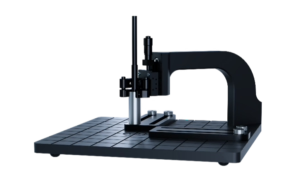
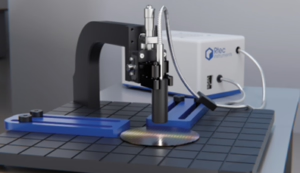
♦ TFT-1000 | Thin Film Thickness Tester

How does Spectroscopic Reflectometry work?

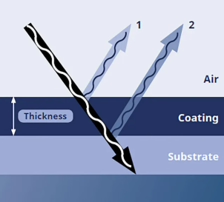
Spectroscopic reflectometry measures how light is reflected from a thin-film surface across a range of wavelengths. Light reflected from the top and bottom interfaces of the film creates an interference pattern. By comparing this measured spectrum with theoretical optical models, the system determines the film’s thickness and optical properties.

What does a Spectroscopic Reflectometer measure?

A spectroscopic reflectometer measures thin-film thickness, refractive index, and optical properties using reflected light. Depending on the material and measurement setup, films ranging from a few nanometers to several hundred micrometers can be characterized. The technique is fast, non-contact, and non-destructive, making it suitable for both research and production environments.

Applications for Spectroscopic Reflectometry:

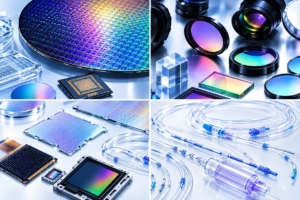
Spectroscopic reflectometry is used for thin-film characterization, quality control, and process monitoring across a wide range of industries. Typical applications include semiconductor manufacturing, MEMS, optics, photovoltaics, microelectronics, coatings, and advanced materials. Automated measurements and wafer or surface mapping also enable efficient production control and process optimization.